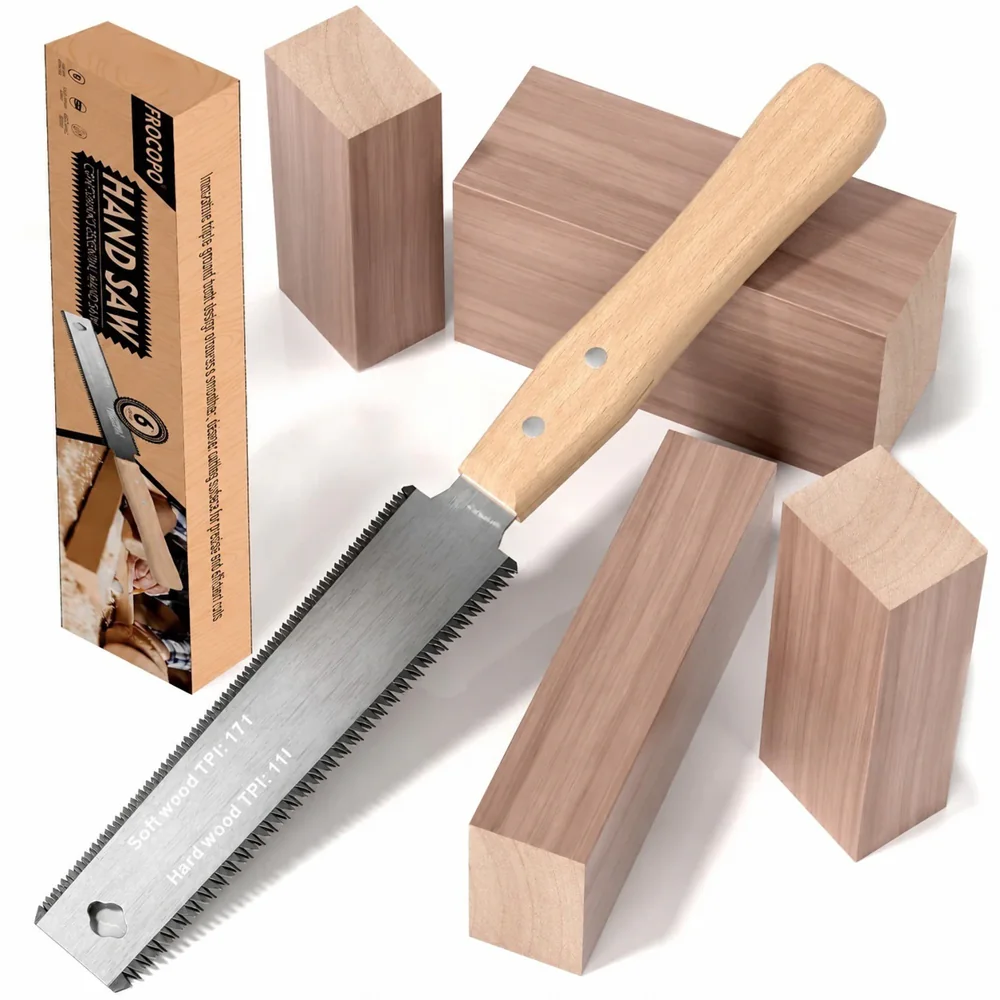
RUITOOL 6-Inch Japanese Hand Saw
A compact hand saw for controlled cuts, trim work, and small joinery tasks without requiring a powered station.
View on Amazon ↗A garage corner, shed, or shared utility room can support real woodworking. The secret is to choose tools you can set up, use, clean, and store without blocking safe movement around the work.
A garage corner, shed, or shared utility room can support real woodworking. The secret is to choose tools you can set up, use, clean, and store without blocking safe movement around the work.
Below you’ll find a practical approach to selecting equipment, followed by ten tool options that can support different stages of woodworking. The list includes both compact hand tools and larger machines; not every item belongs in every beginner shop. Always compare the linked listing’s exact specifications, included accessories, and compatibility with your workspace before purchasing.
Tool recommendations are starting points, not promises of performance. The right choice depends on your materials, experience, budget, and the work you plan to do.
Looking for something to build with your tools? Visit the plans offer to explore project ideas and see the details of the free-plans promotion.
Explore the 50 Free Plans Offer ↗Affiliate link: I may earn a commission if you take a qualifying action. Review the offer terms on the destination page.A compact bench is only part of the footprint. Long boards need infeed and outfeed clearance, and sheet goods need support. Sketch where material travels before buying a saw. If the room cannot accommodate safe cuts, consider smaller stock or having some material cut to size.
A cordless drill, hand saw, jigsaw, and clamps can cover a surprising range of projects. A marking ruler and caliper take very little space. A pocket-hole jig can be stored in a drawer. Larger saws may be worthwhile, but their setup and operating clearances matter more than the marketing word “portable.”
Keep frequently used tools visible and reachable. Use labeled bins for bits, fasteners, and sanding supplies; wall-mounted storage for light hand tools; and a dedicated safe place for blades. A folding work surface is useful only if it is sufficiently stable for the task.
Small rooms concentrate dust quickly. Follow tool guidance for extraction and respiratory protection, and consider noise and shared walls. Clean up before converting the room back to its other use. Never run cutting equipment in a crowded area without appropriate clearance.
These ten links are provided for convenience. The ordering reflects this article’s focus, not a laboratory ranking or hands-on test. Prices, availability, and exact configurations can change; check each product page for current details.
A compact hand saw for controlled cuts, trim work, and small joinery tasks without requiring a powered station.
View on Amazon ↗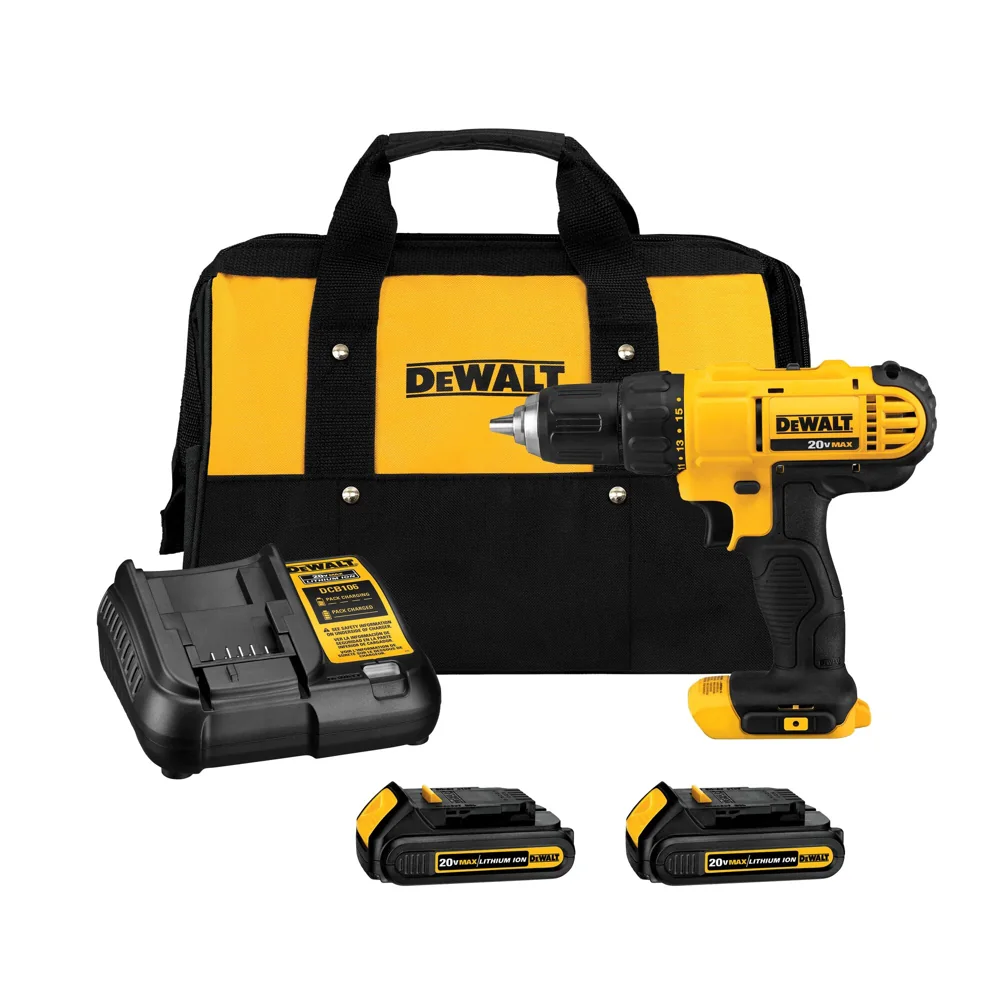
A versatile drill/driver for pilot holes, driving screws, and assembling shop projects. Check whether the listing includes a battery and charger.
View on Amazon ↗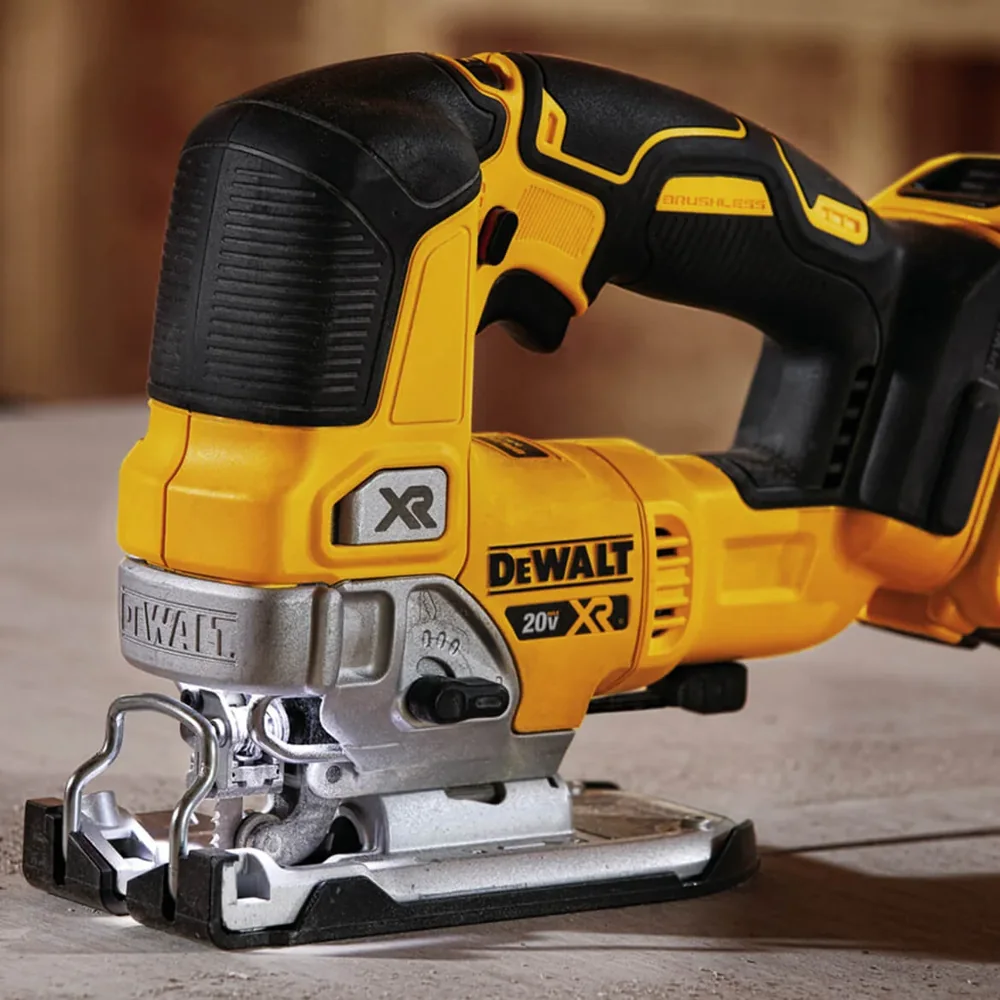
Helpful for curved cuts, notches, and irregular shapes. Choose the right blade for the material and support the workpiece.
View on Amazon ↗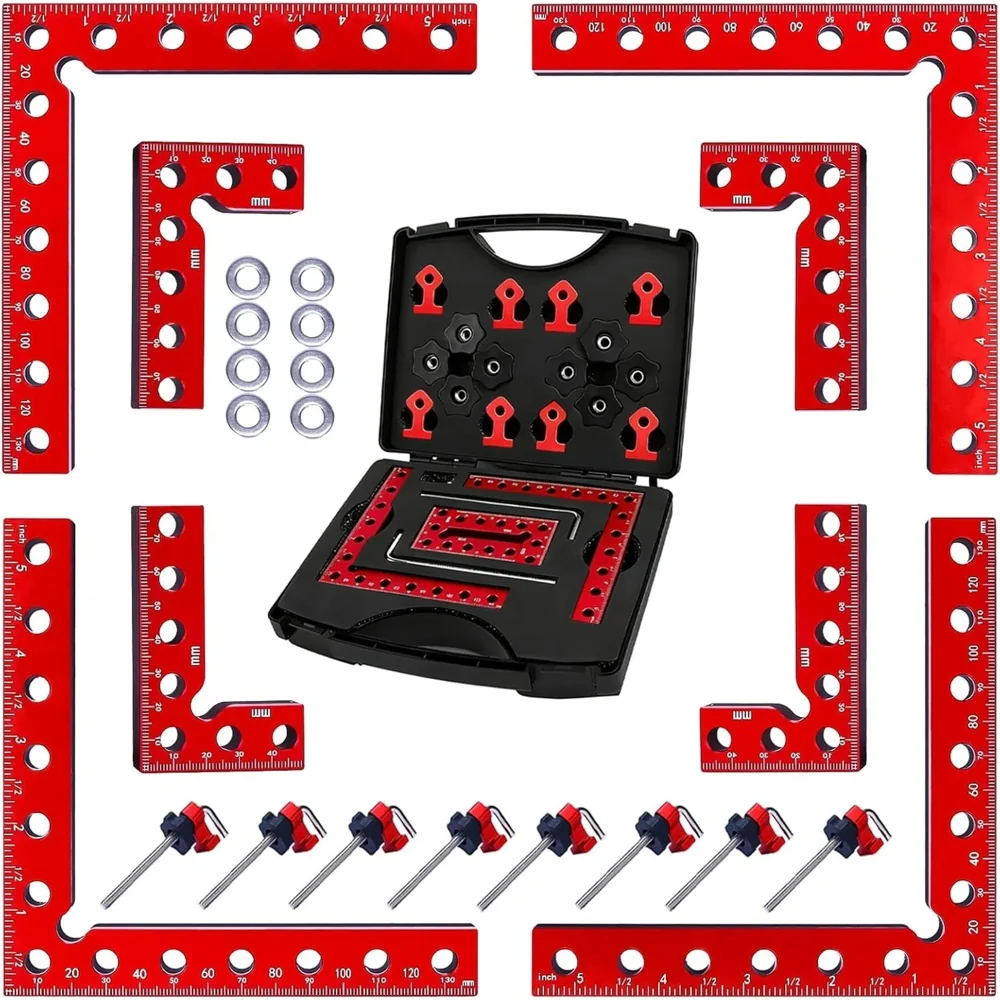
Helps hold right-angle assemblies while you align and fasten boxes, frames, and cabinet parts. Confirm capacity for your material.
View on Amazon ↗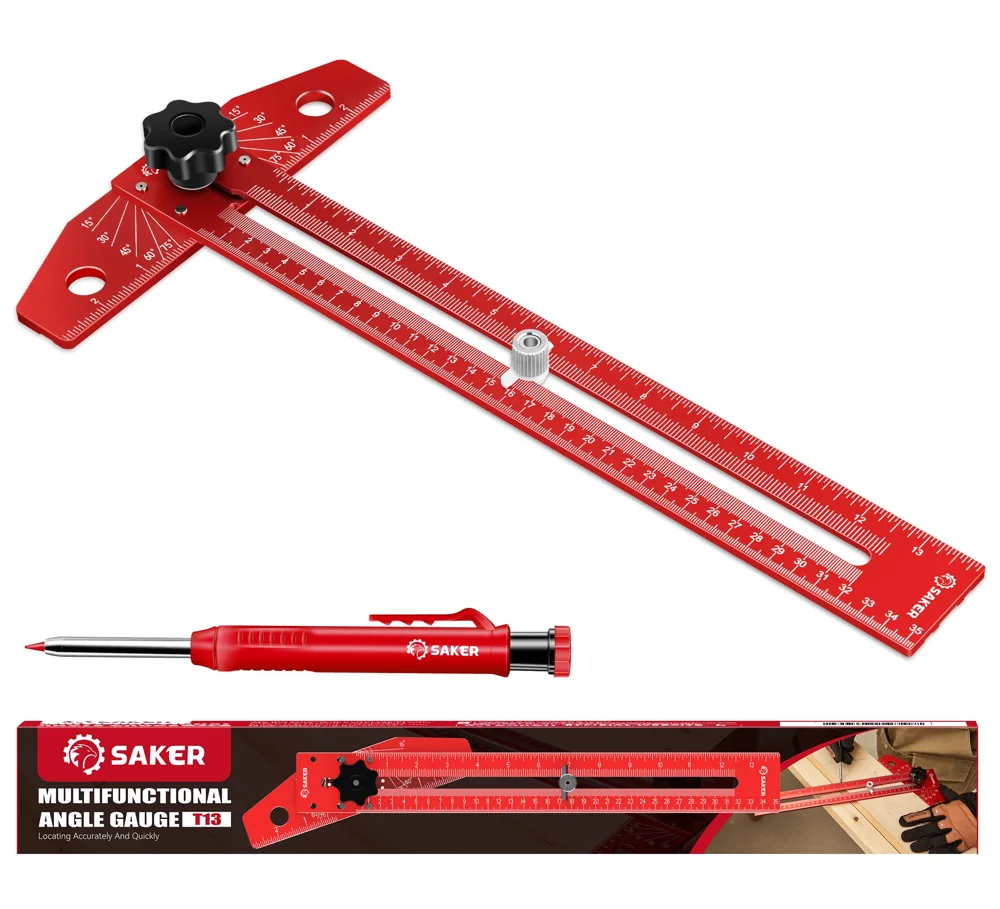
A layout aid for consistent reference lines and repeatable marks before cutting or drilling. Check its scale and marking range.
View on Amazon ↗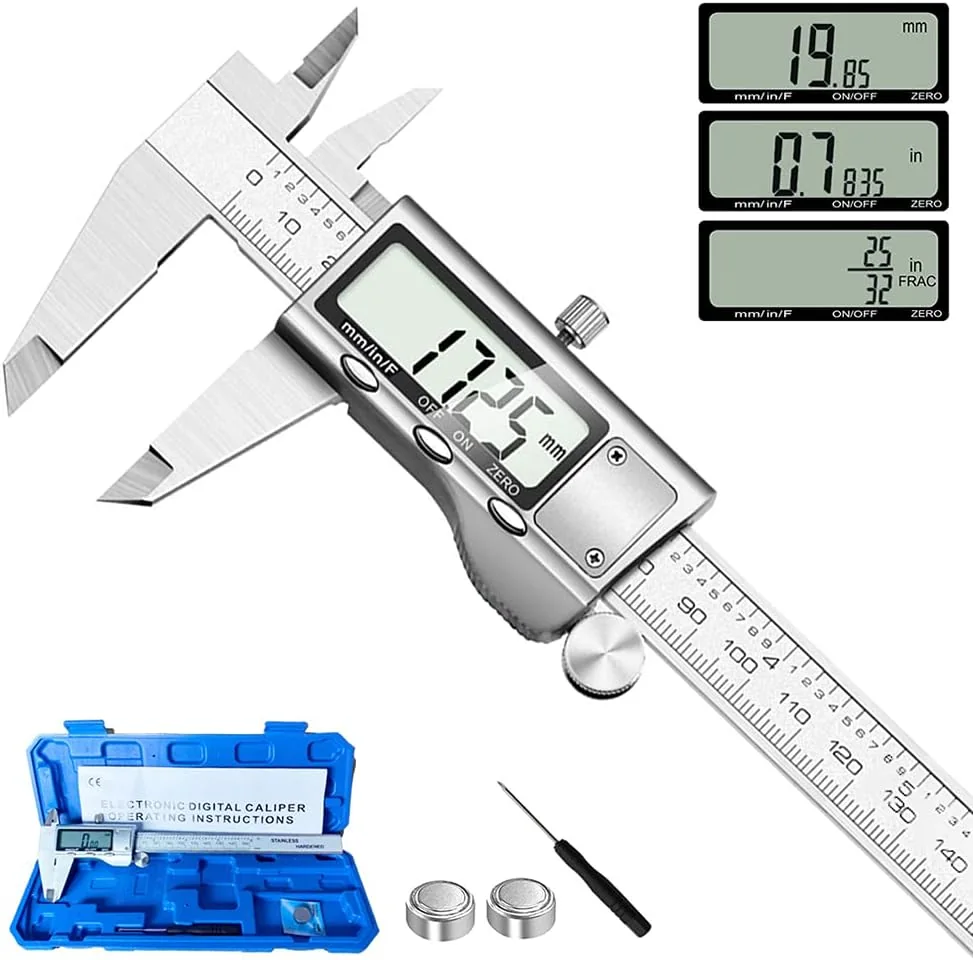
Useful for checking thicknesses, inside dimensions, and small part measurements where a tape measure is too coarse.
View on Amazon ↗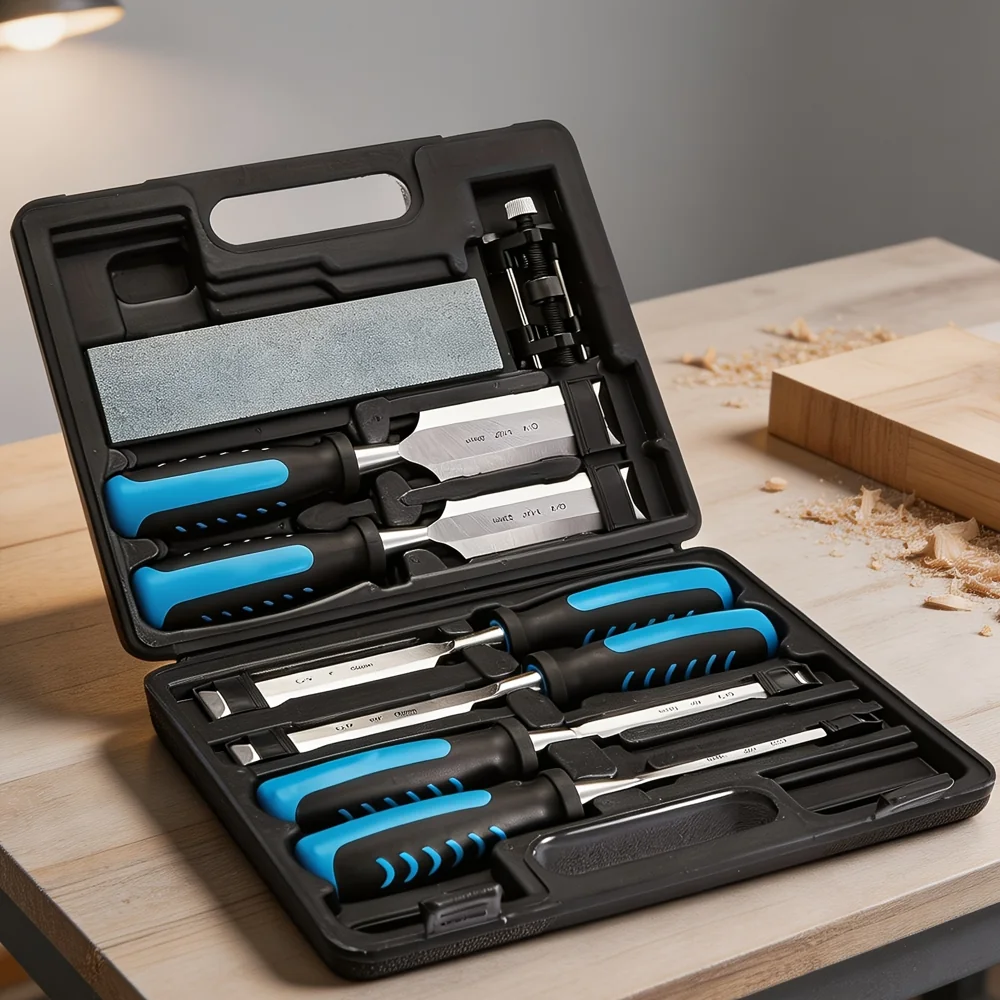
A selection of chisels for cleaning joints, paring edges, and practicing basic hand-tool techniques. Keep edges sharp and use a stable work surface.
View on Amazon ↗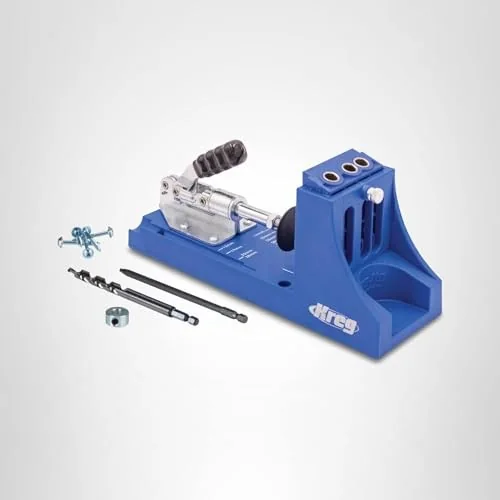
A convenient way to make concealed pocket-hole joints in many furniture and storage projects. Match screw length to the stock thickness.
View on Amazon ↗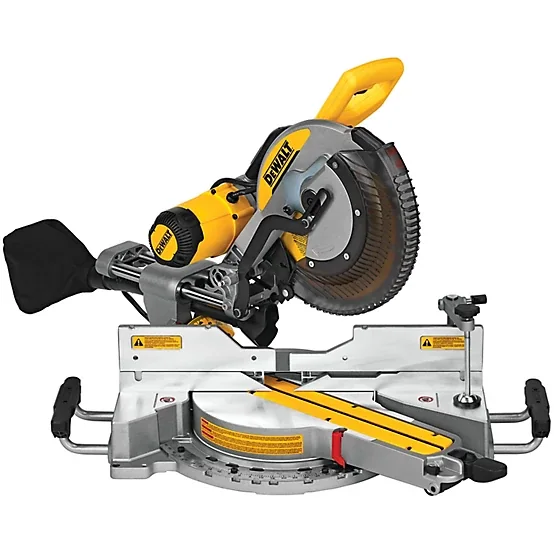
Useful for repeatable crosscuts and angled cuts on appropriately sized stock. It needs a stable setup and appropriate dust management.
View on Amazon ↗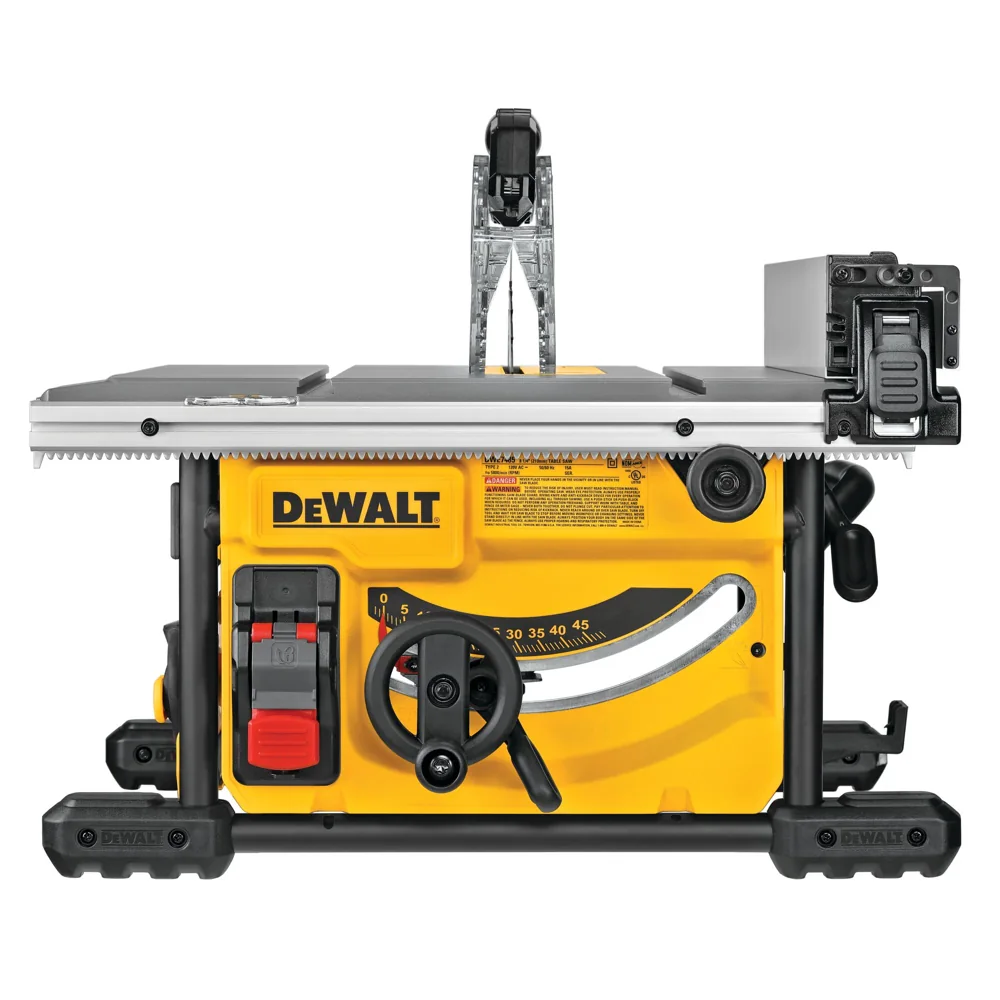
A compact table saw option for ripping boards and sheet material within its rated capacity. Use the guard, riving knife, and push aids.
View on Amazon ↗Looking for something to build with your tools? Visit the plans offer to explore project ideas and see the details of the free-plans promotion.
Explore the 50 Free Plans Offer ↗Affiliate link: I may earn a commission if you take a qualifying action. Review the offer terms on the destination page.Often yes, with careful layout, movable work surfaces, and appropriate ventilation and tool clearances.
Hand saws, drills, marking tools, chisels, and small clamps typically require less space than stationary machines.
Possibly, but only if there is enough room for safe setup, material handling, and dust control.
A useful workshop develops through experience. Choose a manageable project, make a clear plan, and pay attention to the operations that take the most time or cause the most difficulty. That feedback is more valuable than a generic shopping list when deciding what to buy next.
Looking for something to build with your tools? Visit the plans offer to explore project ideas and see the details of the free-plans promotion.
Explore the 50 Free Plans Offer ↗Affiliate link: I may earn a commission if you take a qualifying action. Review the offer terms on the destination page.